Crawl Space Water Extraction & Encapsulation in Seattle
Standing-water extraction, joist sanitation, vapor barriers, and full crawl space encapsulation.
Seattle's clay-rich soils and high water table drive moisture into soil-exposed crawl spaces, causing wood rot, mold, and poor indoor air quality. We extract standing water, sanitize joists and subfloor, dry the space, and install vapor barriers or full encapsulation with dehumidification, stopping the cycle of moisture intrusion at the source.
What's included
Our complete moisture removal and encapsulation process
Have you ever noticed a persistent musty smell in your living room after a heavy Seattle rainstorm? You might be surprised to learn what is happening right under your feet.
Up to 60% of the air you breathe on your first floor actually comes directly from the crawl space.
Seattle Water Damage Restoration - an IICRC-certified firm with 10+ years in the Pacific Northwest - sees crawl space water damage from this moisture cycle every day across King County and Snohomish County homes. Pacific Northwest soils, high water tables, and wet weather patterns push intense moisture up into soil-exposed crawl spaces.
“Considering that the average American spends about 90% of their time indoors, fixing trapped moisture is a massive priority for your family’s health.”
This moisture triggers the dreaded stack effect. Warm air rising through your house acts like a vacuum, pulling contaminated air straight up into your clean living areas.
We are going to walk you through the exact steps of our cleanup process. Grab a cup of coffee, and let’s look at how to fix this together.
The Seattle Water Damage Restoration process always starts with a thorough diagnosis. Identifying the exact source of the water is critical before any physical work begins. Technicians look for surface flooding, hydrostatic pressure from saturated soil, plumbing leaks, and hidden condensation. Once the source is identified, the physical cleanup phase begins.
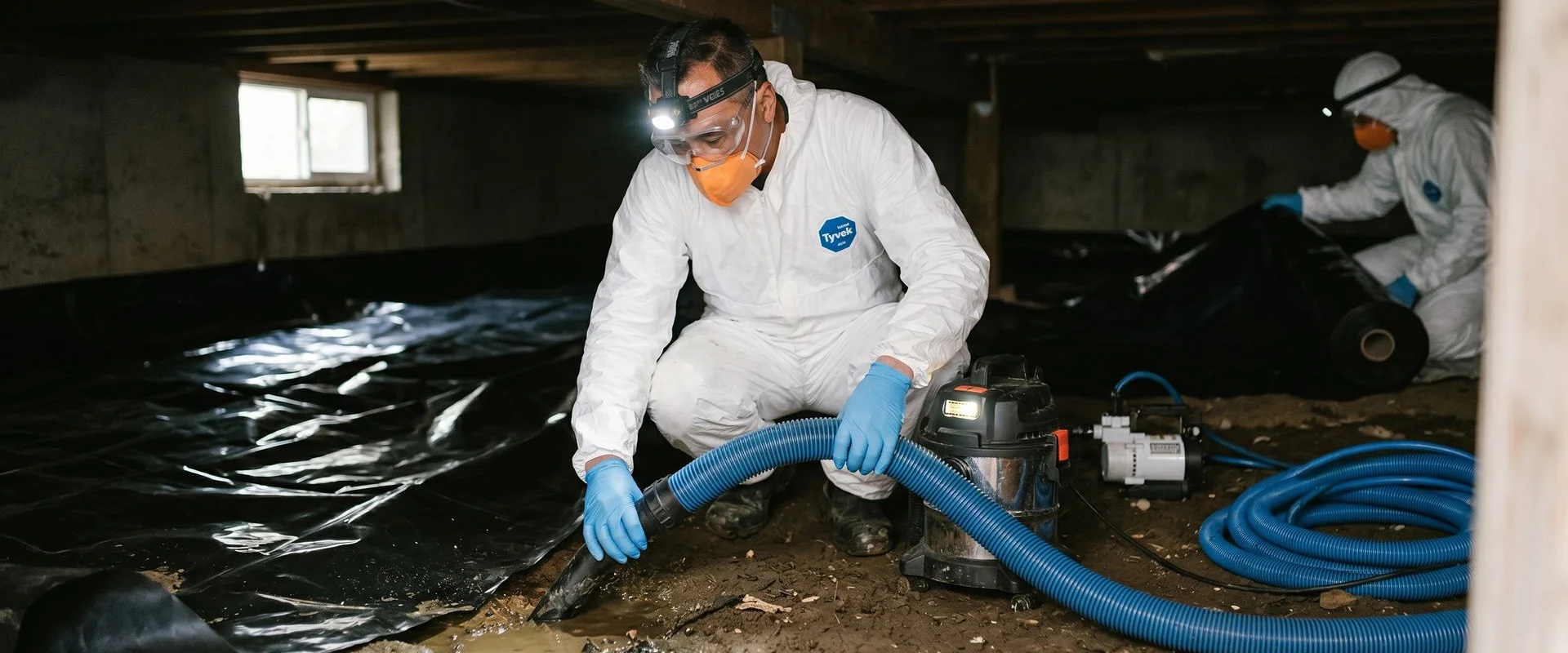
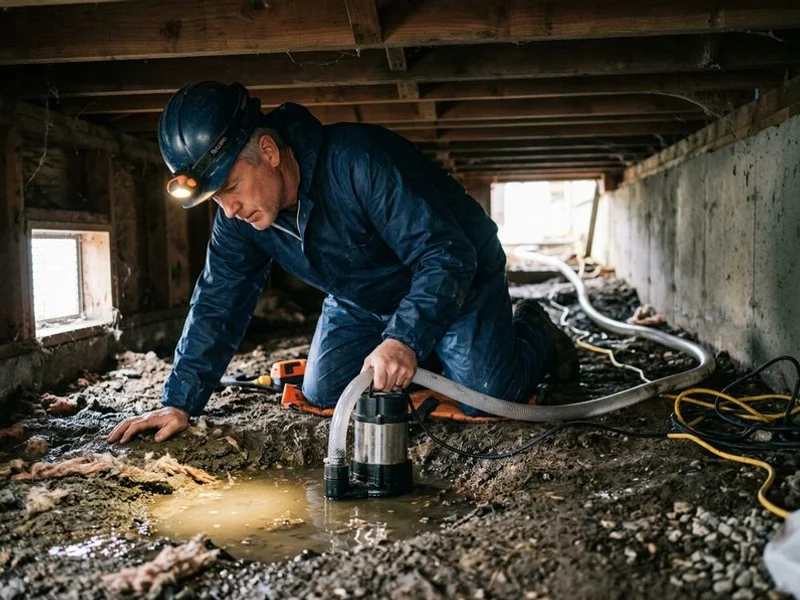
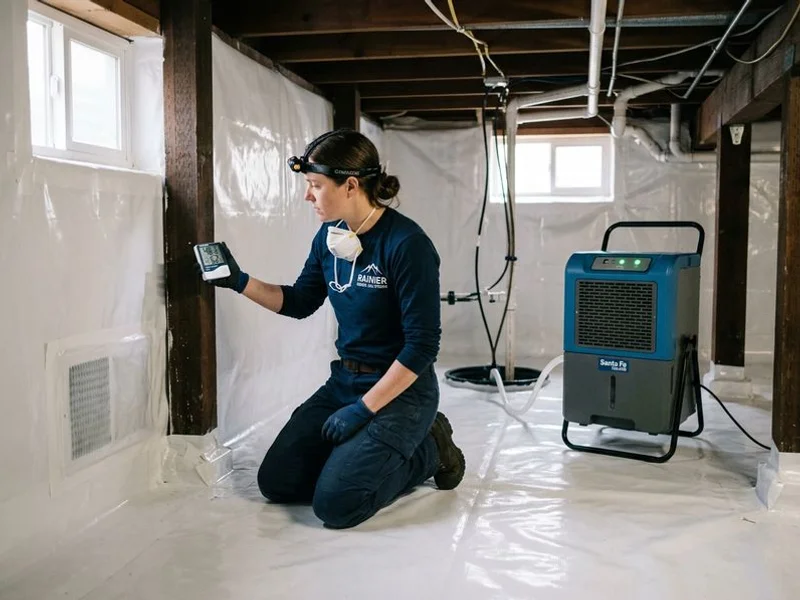
- Extraction and Removal: The crew extracts any standing water and carefully removes damaged insulation or old, failing vapor barriers.
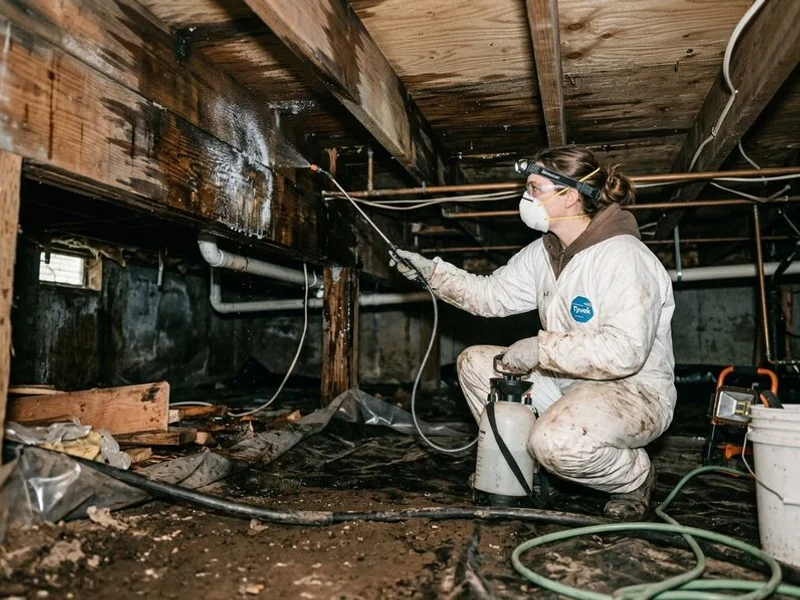
- Deep Cleaning: Joists and subfloors are HEPA-vacuumed to capture fine mold spores and dust.
- Targeted Treatment: Everything is treated with an EPA-registered antimicrobial, such as RMR-141 or Fiberlock ShockWave, to kill mold at the root.
- Industrial Drying: Heavy-duty AlorAir Storm LGR Extreme dehumidifiers run continuously until the raw space is completely dry to industry standards.
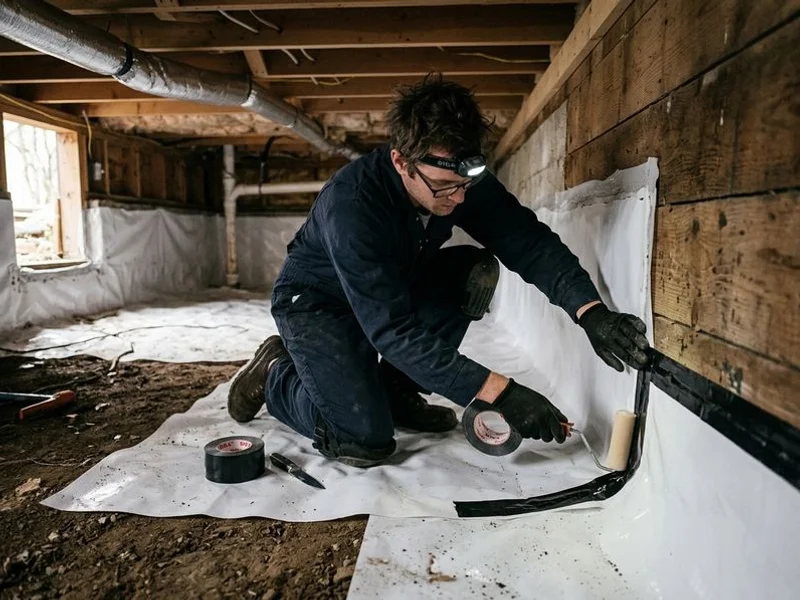
For homes with chronic groundwater intrusion, the crew installs a sump pump or French drain system for permanent crawl space drainage. Then, the final encapsulation phase creates a permanent shield against future water damage. A heavy-duty 12-20 mil reinforced vapor barrier is laid across the floor and run directly up the foundation walls.
Our technicians ensure all seams are perfectly sealed with specialized waterproof tape. Vents are actively addressed by either sealing them entirely or installing active mechanical conditioning, depending on your local Washington building codes.
| Measurement | Ideal Range | High Risk Range |
|---|---|---|
| Crawl Space Humidity | 45% to 55% | Above 70% (Mold Growth) |
A dedicated crawl-space dehumidifier is then installed to maintain this ideal humidity range year-round. Done correctly, this encapsulation is a 15-20+ year investment for your home. It stops the cycle of moisture, structural mold, and indoor air quality problems while also sealing out rodent intrusion that wet crawl spaces attract.
What materials does proper crawl space encapsulation require?
Using the right materials makes the difference between a temporary patch and a permanent fix. We refuse to compromise on quality because inferior products simply fail in our damp coastal climate.
As of 2026, standard building codes only require a basic 6-mil plastic sheet, but this easily tears and degrades. Upgrading to a commercial-grade 20-mil cross-laminated barrier provides incredible puncture resistance and true longevity.
Here is a breakdown of the specific materials and methods required for a complete, professional encapsulation:
- 12-20 mil reinforced vapor barrier with completely sealed seams for maximum moisture blocking
- Wall and rim-joist insulation upgrades precisely where needed to stop winter drafts
- Vent sealing or active conditioning designed specifically per IRC code and your home’s conditions
- Crawl-space-rated dehumidifier (such as the AprilAire E070, Santa Fe Compact70, Quest, or equivalent)
- LGR dehumidification (AlorAir or Dri-Eaz) combined with HEPA vacuuming and EPA-registered antimicrobial treatment for the initial dry-down
- Sump pump or French drain installation where chronic groundwater intrusion exists
How we compare
| Feature | Typical Provider | Seattle Water Damage Restoration |
|---|---|---|
| Vapor barrier thickness | 6-mil standard sheeting | 12-20 mil reinforced cross-laminated |
| Source diagnosis | Often skipped | Full intrusion source identification before encapsulation |
| Antimicrobial treatment | Basic spray | EPA-registered (RMR-141 or Fiberlock ShockWave) + HEPA vacuuming |
| Drying equipment | Consumer dehumidifiers | Industrial AlorAir Storm LGR Extreme dehumidifiers |
| Insurance documentation | Homeowner handles | Direct insurance billing with in-house advocates |
| Response availability | Business hours | 24/7 live dispatch, 60-minute arrival |
These premium components work together to lock out destructive moisture and keep your family safe, whether you own a craftsman bungalow, a rambler, or a newer split-level home in the Puget Sound region.
Reach out to our team today for a complete inspection. We serve Seattle, Bellevue, Everett, Bothell, and communities across King and Snohomish counties - call us and breathe easier in your own home.
Our Crawl Space Process
Inspect & document
We inspect the crawl space, document existing conditions with photos, and identify the source of moisture intrusion.
Extract & remove
Standing water is pumped out. Damaged insulation, old vapor barrier, and debris are bagged and removed.
Sanitize & dry
Joists and subfloor are HEPA-vacuumed and treated with antimicrobial. LGR dehumidifiers run until the space is dry to standard.
Encapsulate
Heavy-duty vapor barrier installed across floor, walls sealed, vents addressed, and a dehumidifier installed for ongoing moisture control.
Why Seattle Water Damage Restoration for Crawl Space?
Pacific Northwest expertise
Clay soils, high water table, and atmospheric-river patterns. We know what drives moisture in PNW crawl spaces.
Source diagnosis first
Encapsulation without fixing the moisture source just hides the problem. We diagnose and address the intrusion first.
Heavy-duty materials
Reinforced 12-20 mil vapor barriers and proper sealing, not the thin plastic that fails within years.
Indoor air quality benefit
Per stack effect, ~50% of your home's air comes from the crawl space. A sealed, dry crawl space means cleaner air upstairs.
Ready to stop the damage?
Direct insurance billing. Most clients pay $0 out of pocket. A certified tech on-site in 60 minutes.
Crawl Space in action
What customers say about our Crawl Space
"Our crawl space was holding water every winter. They extracted it, sanitized everything, and encapsulated the space. No more musty smell upstairs and no more standing water."
Robert M.
Snohomish
"We had soil-exposed crawl space with active mold on the joists. Full remediation plus encapsulation - and they explained why the existing vents were making it worse, not better."
Elizabeth W.
Monroe
"Insurance covered the water damage portion. They handled the documentation, then we paid for the encapsulation upgrade ourselves. Worth every penny - humidity dropped immediately."
Greg S.
Lake Stevens
Crawl Space questions
Why do Seattle homes have so much crawl space moisture?
Do I really need encapsulation?
Will insurance cover crawl space cleanup?
How long does encapsulation last?
Can encapsulation cause structural damage?
Does encapsulation help with energy bills?
How much does crawl space water extraction cost in Seattle?
Crawl Space guides
Crawl Space Encapsulation Explained
What encapsulation actually involves — materials, process, and what you get for the cost.
Crawl Space Stack Effect & Your Indoor Air Quality
Stack effect means about half the air upstairs comes from the crawl space. Why that matters for PNW homes.
Crawl Space Drying vs. Encapsulation: Which Do I Need?
Mitigation drying after a water event vs. permanent encapsulation — when each makes sense and how they relate.
Water in Your Crawl Space: What to Do
Standing water in your crawl space is a structural and air-quality risk. Causes, immediate steps, and the cleanup process.
Related services
Mold Remediation
Comprehensive mold inspection, containment, removal, and clearance testing to IICRC S520 standards.
Emergency Water Removal & Extraction
24/7 emergency water removal and structural drying for flooded basements, burst pipes, and storm intrusion.
Thermal Imaging Leak Detection
FLIR infrared and moisture-meter diagnostics that locate hidden leaks without destructive testing.
Ready for crawl space?
A certified technician can be on your doorstep in 60 minutes. Direct insurance billing, most clients pay $0 out of pocket.
Last updated: June 21, 2026