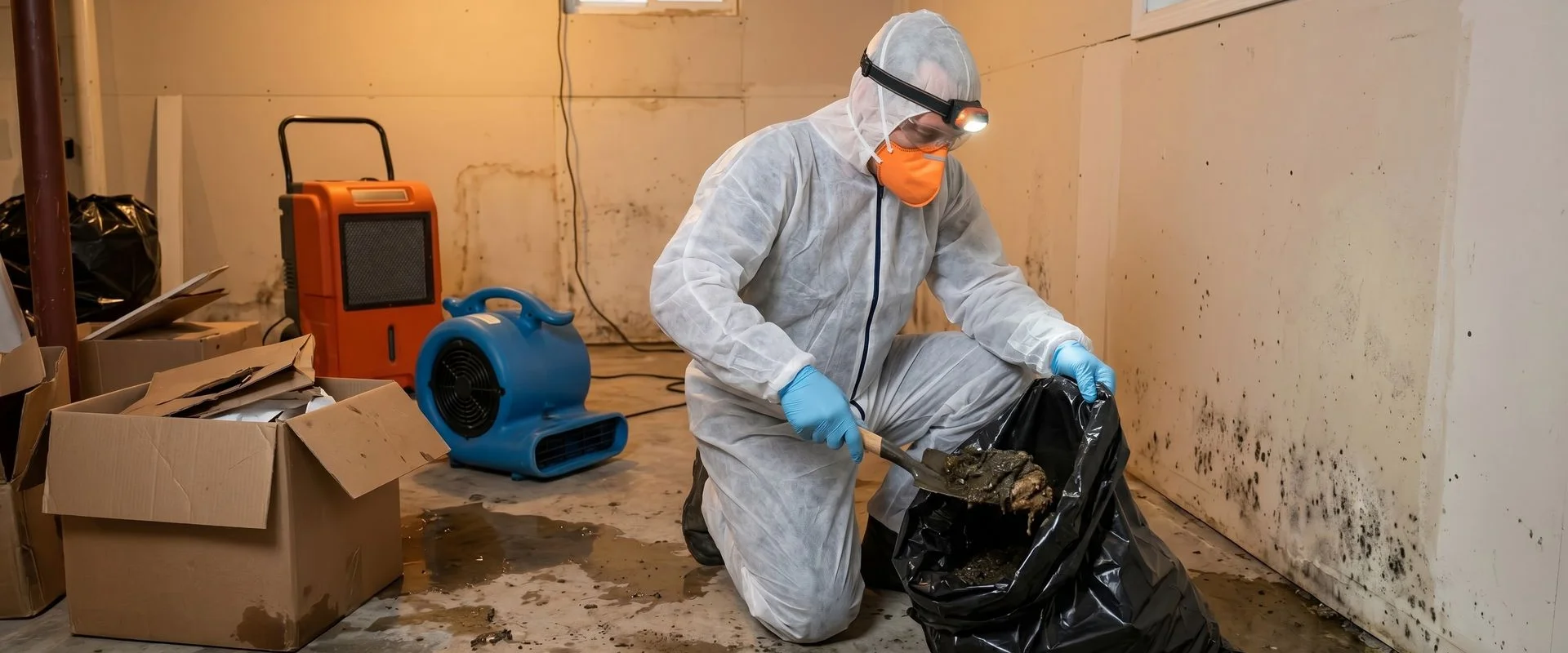
Sewage Backup & Biohazard Cleanup in Seattle
Safe extraction, sanitation, and deodorization of Category 3 black-water sewage backups across Seattle.
A sewage backup is a Category 3 biohazard. It carries pathogens that make DIY cleanup dangerous. Our HAZWOPER-trained crews extract the contamination, remove non-salvageable materials, and sanitize with hospital-grade disinfectants, then deodorize and verify the space is safe. We respond 24/7 and bill your insurance directly.
What's included
How Category 3 Black Water Response Works
Seattle Water Damage Restoration provides professional sewage damage cleanup across King County, Snohomish County, and the Greater Seattle area. Our IICRC-certified, HAZWOPER-trained crews respond 24/7 with a certified technician on-site in 60 minutes or less.
A flooded basement is stressful enough without discovering it contains raw sewage. Sewage damage cleanup requires a completely different approach than a standard water leak.
Category 3 Water Warning: This specific situation falls under the IICRC S500 standard as black water. That means the water carries pathogens, organic waste, and harmful contaminants that pose immediate health risks.
Do not grab a wet vac and bleach - keep your family away from the affected area. Handling this type of hazard safely demands heavy containment barriers and highly trained crews.
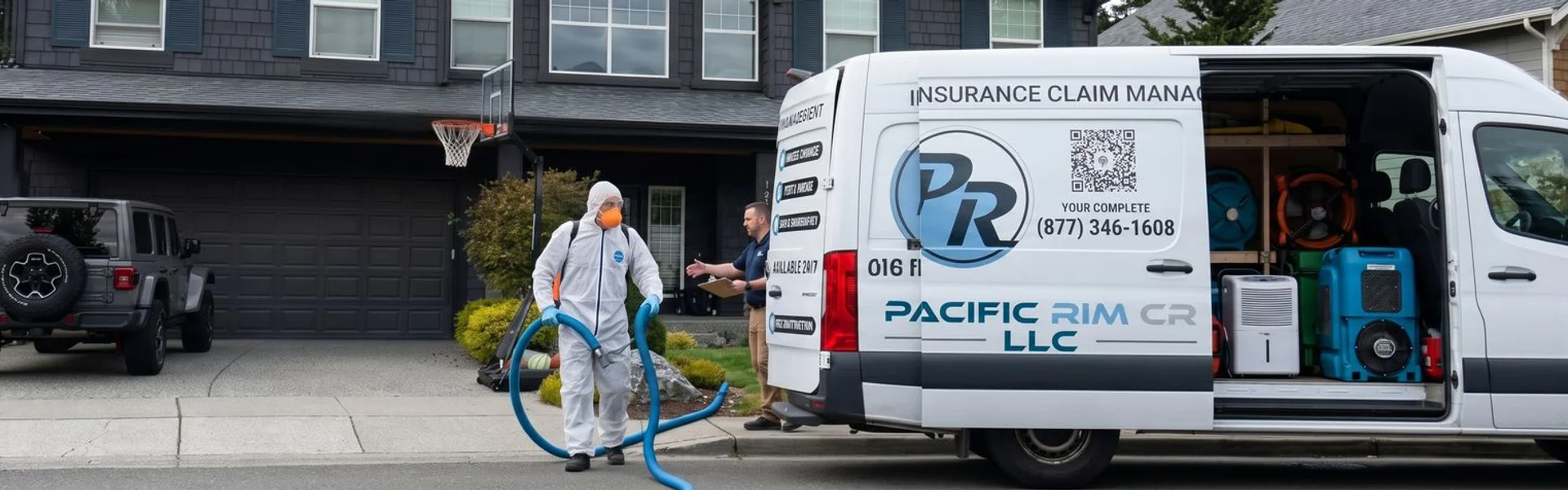
Over 75,000 sewage backups happen across the US every year, and Seattle’s aging combined sewer system makes King County homes particularly vulnerable. We immediately dispatch a HAZWOPER-trained biohazard response team to your location the moment you call. They arrive fully protected in Tyvek suits, specialized respirators, heavy-duty gloves, and boot covers.
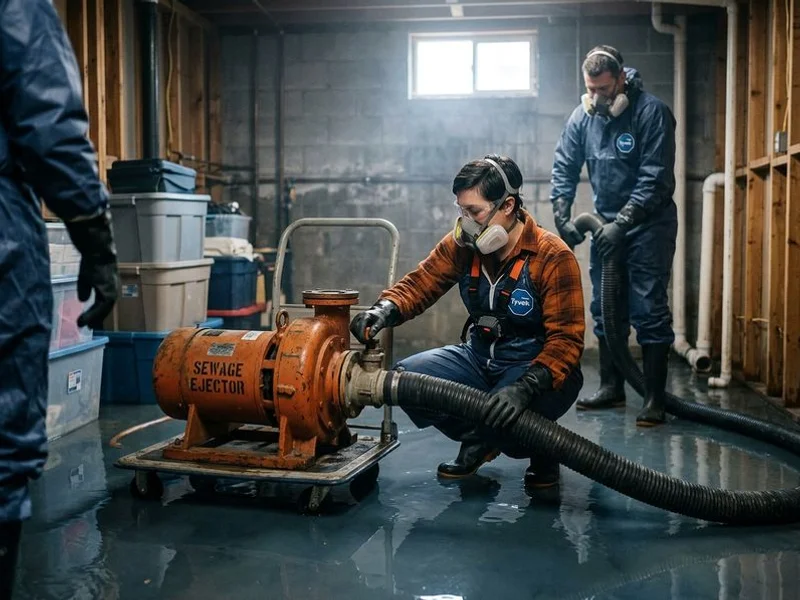
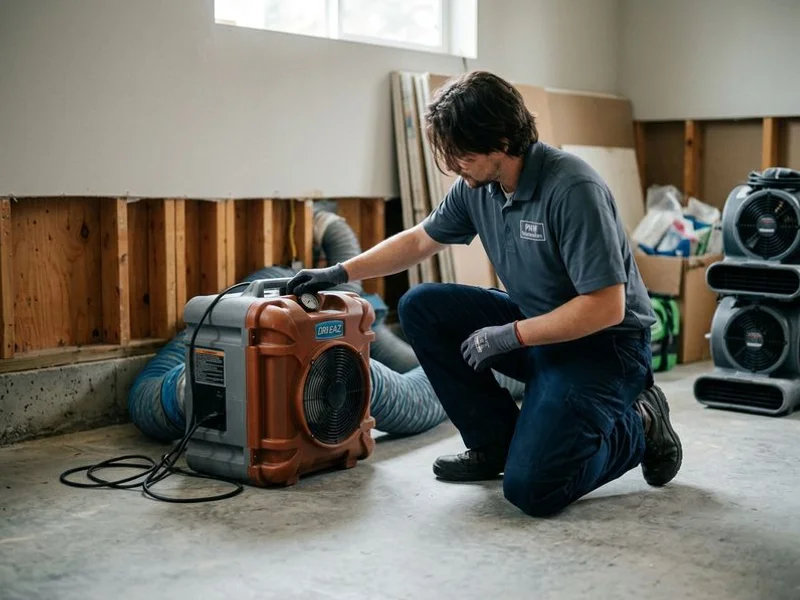
Our specialized trash pumps extract the heavy contamination fast, easily moving hundreds of gallons per minute.
| Water Category | Danger Level | Typical Sources | Cleanup Requirements |
|---|---|---|---|
| Category 1 (Clean) | Low Risk | Broken supply lines, overflowing bathtubs | Standard extraction, standard drying |
| Category 3 (Black) | Severe Health Hazard | Sewer backups, combined line overflows | Hazmat protocols, full PPE, hospital disinfectants |
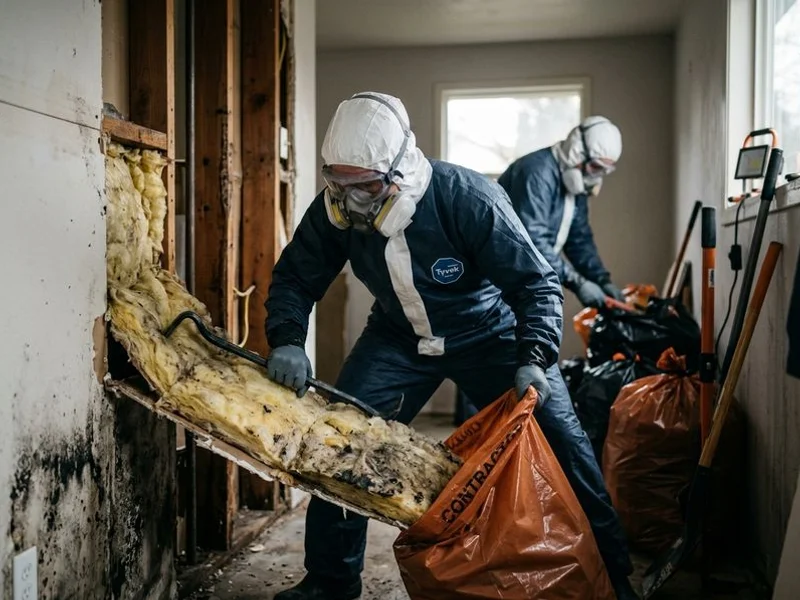
Quick extraction minimizes the permanent damage to your foundation and subflooring, whether you own an older craftsman home, a split-level, or a newer townhome. Technicians then bag up all contaminated porous materials and dispose of them per King County environmental regulations.
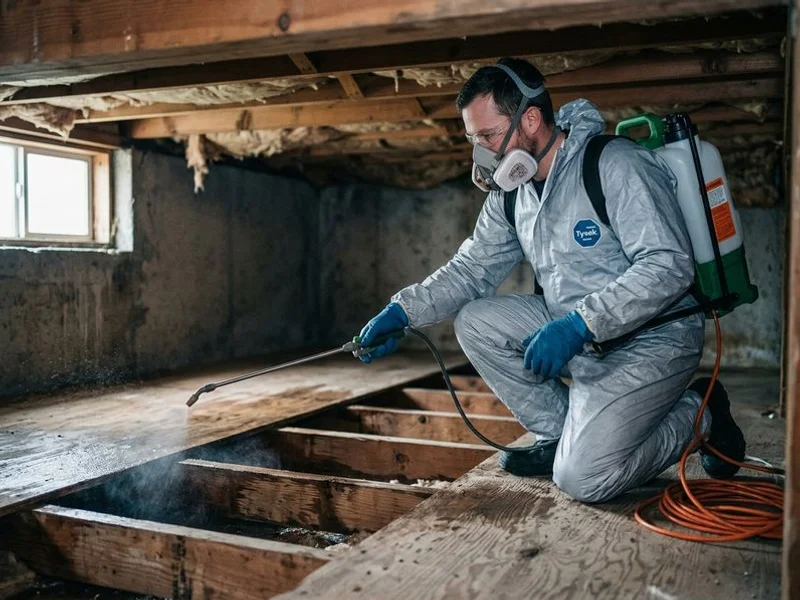
Every affected surface gets treated with EPA-registered hospital disinfectants like Century Q or Spartan Halt. Commercial air scrubbers running HEPA filtration constantly pull dangerous odors and airborne particles out of your home while the structure dries.
Seattle Water Damage Restoration regularly responds to backups caused by several distinct plumbing challenges in the area. The city maintains over 960 miles of combined sewers, and these aging systems get overwhelmed during heavy rain events.
The most frequent culprits include:
- Combined sewer overflows: Heavy atmospheric rivers push city lines past their capacity, especially in older neighborhoods like Ballard, Georgetown, and Beacon Hill.
- Tree root intrusion: Older lateral lines in established areas like West Seattle and Fremont crack and clog as roots search for moisture.
- City main backups: Low-lying neighborhoods face intense hydrostatic pressure during severe storms. Seattle Public Utilities (SPU) reports hundreds of overflow events annually in the combined system.
The Seattle Water Damage Restoration team thoroughly documents the exact cause of the disaster to support your insurance claim. Most standard homeowners policies exclude external sewer damage.
Based on 2026 insurance data, many families rely on a separate water backup rider, which typically caps out between $5,000 and $10,000 in coverage for the year. Reviewing these limits early gives you a clear picture of your financial coverage.
Our in-house insurance advocates guide you through the claims process, handling documentation and negotiating directly with your carrier.
Safety Certifications and Specialized Equipment
Using the right gear separates professional remediation from a dangerous DIY attempt. You need heavy-duty, specialized equipment to eradicate Category 3 contaminants safely.
We strictly follow industrial-grade safety protocols to protect your family and restore your property. Skipping even one of these vital steps exposes everyone in the house to severe illness.
Safety & Disposal Protocols:
- HAZWOPER (29 CFR 1910.120) trained biohazard response crews. Federal regulations require this rigorous training to safely handle hazardous materials without spreading contamination.
- IICRC S500 Category 3 (black water) protocols. Following this exact industry standard ensures your home gets properly sanitized and protects your liability.
- Full PPE on every job. Technicians wear Tyvek suits, full-face respirators, double-layered gloves, and reinforced boot covers to prevent cross-contamination.
- Regulatory-compliant disposal of contaminated materials. Local dumps reject hazardous waste, so all ruined drywall and carpeting must go through specific biohazard processing channels.
Our remediation process relies heavily on commercial extraction and sanitization machinery.
Specialized Cleanup Equipment:
- EPA-registered hospital-grade disinfectants and biocides. Products like Benefect Decon 30 or Spartan Halt neutralize dangerous viruses and bacteria completely.
- Specialized sewage pumps for contaminated water extraction. Standard shop vacuums fail instantly when filled with solid waste, so we use high-volume trash pumps instead.
- HEPA-filtered air scrubbers for airborne contamination and odor. These commercial units cycle the air in your basement multiple times an hour to capture microscopic aerosolized particles.
How We Compare
| Feature | Typical Provider | Seattle Water Damage Restoration |
|---|---|---|
| Response Time | 4-6 hours | 60 minutes or less, 24/7/365 |
| Sewage Certification | General water damage training | HAZWOPER-trained biohazard crews |
| Insurance Handling | Customer files own claim | Direct billing with in-house advocates |
| Disinfection | Standard cleaning products | EPA-registered hospital-grade biocides |
Sewage damage cleanup requires immediate action to protect your property and your family. Call Seattle Water Damage Restoration at (425) 000-0000 for 24/7 emergency dispatch. A certified technician arrives in 60 minutes or less to evaluate the damage and begin the restoration process.
Our Sewage Cleanup Process
Secure the site
PPE-equipped crew secures the area, contains the contamination, and identifies hazards before entry.
Extract & dispose
Specialized pumps remove the contamination. Affected porous materials are bagged and disposed of per regulation.
Sanitize & deodorize
Hospital-grade disinfectants treat all affected surfaces. Air scrubbers and deodorization handle the smell.
Verify safety
Visual and surface checks confirm the space is safe before reconstruction begins.
Why Seattle Water Damage Restoration for Sewage Cleanup?
HAZWOPER certified
Our crews complete HAZWOPER (Hazardous Waste Operations and Emergency Response) training — not just water-damage technicians.
Full PPE protocol
Tyvek suits, respirators, gloves, and boot covers — every job, no exceptions. Category 3 is a real biohazard.
Hospital-grade disinfectants
EPA-registered, hospital-grade biocides effective against E. coli, hepatitis A, norovirus, and other pathogens.
Insurance billed direct
Documented, photographed, and submitted to your carrier — we negotiate fair payouts for Category 3 cleanups.
Ready to stop the damage?
Direct insurance billing. Most clients pay $0 out of pocket. A certified tech on-site in 60 minutes.
Sewage Cleanup in action
What customers say about our Sewage Cleanup
"Sewage backed up into our finished basement — a nightmare. The crew showed up in full gear, treated it like the biohazard it was, and left it sanitized and odor-free."
Sandra K.
Renton
"Combined sewer overflow during a storm pushed waste up through our basement floor drain. They responded within an hour, fully documented for insurance, and we paid almost nothing."
Robert J.
Capitol Hill, Seattle
"Professional and discreet. They explained the Category 3 risks clearly, did the work right, and the smell was completely gone by the time they finished."
Linda M.
Tacoma
Sewage Cleanup questions
Why is sewage cleanup considered a biohazard?
What materials have to be thrown out?
How long does sewage cleanup take?
Will insurance cover sewage backup?
What causes sewage backups in Seattle homes?
Can I stay in the home during cleanup?
Sewage Cleanup guides
Category 3 Black Water: Real Health Risks
What Category 3 black water actually contains and why it requires HAZWOPER-trained professional cleanup.
The Sewage Cleanup Process Step by Step
What professional Category 3 sewage cleanup actually involves — from extraction through sanitization.
Tree-Root Sewer Backups in Seattle Homes
Why older Seattle homes get root-driven sewer backups, how to prevent recurrence, and the cleanup process.
Sewage Backup: What to Do First
Sewage backup safe steps — protect yourself, document, and call professional Category 3 cleanup.
Related services
Emergency Water Removal & Extraction
24/7 emergency water removal and structural drying for flooded basements, burst pipes, and storm intrusion.
Reconstruction & General Contracting
Full property rebuilds, drywall, and flooring after mitigation, handled in-house with no subcontractors.
Contents Pack-Out & Secure Storage
Photo-mapped inventory, off-site cleaning, and climate-controlled storage of your belongings.
Ready for sewage cleanup?
A certified technician can be on your doorstep in 60 minutes. Direct insurance billing, most clients pay $0 out of pocket.
Last updated: June 19, 2026