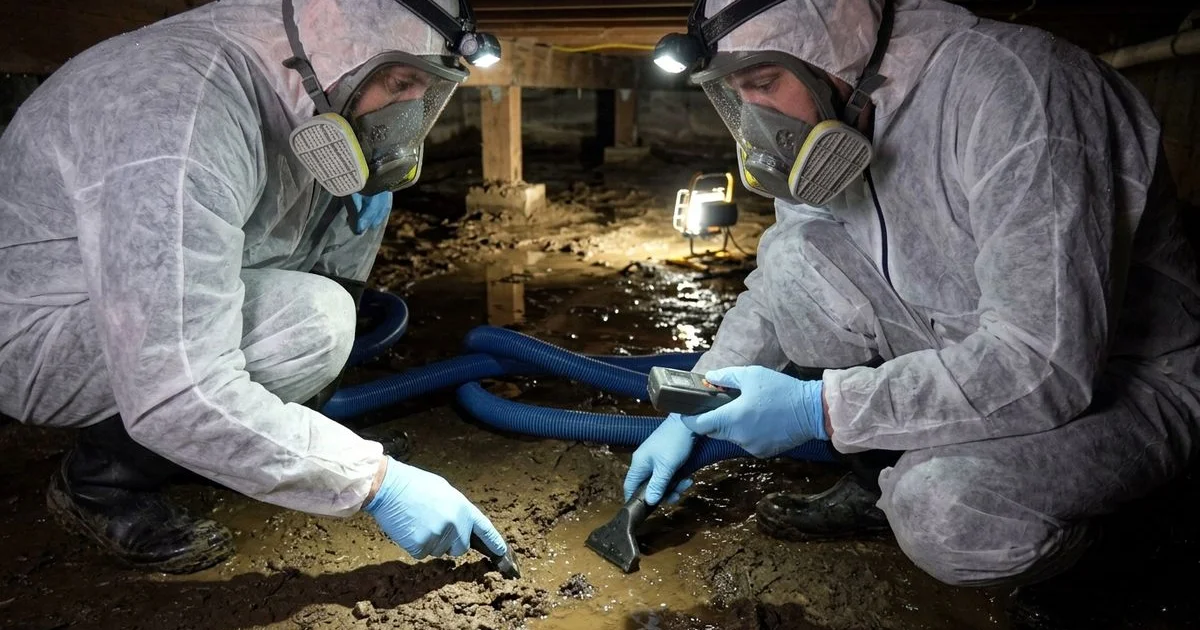
You know how quickly a small plumbing drip can turn into a massive headache.
We see this scenario play out constantly across the Pacific Northwest. Homeowners often discover standing water under their homes only when a musty smell drifts upstairs or a real estate inspector flags a major issue. Our team knows that by the time you notice the moisture, the cumulative damage is already significant.
Let’s look at what the data actually tells us about subterranean moisture, explore the common causes, and walk through the steps to dry out your property effectively.
Why crawl space water matters
Crawl space water matters because it directly degrades your indoor air quality and rots the structural wood holding up your home. Moisture trapped below your floorboards quickly becomes a severe health hazard and an expensive repair.
Our experts rely on guidelines from the US Environmental Protection Agency (EPA), which note that up to 60% of the air on your first floor originates in the crawl space. This upward airflow happens due to the stack effect. We constantly remind clients that whatever is floating in your subfloor air is eventually breathed in by your family. High humidity levels pull dust mites, mold spores, and soil gases straight into your living room.
Our moisture monitors regularly show that wet subfloors exceed the critical 60% relative humidity threshold. The EPA warns that mold colonies begin forming on damp framing and drywall within just 24 to 48 hours of water exposure. We have watched ignored puddles lead to catastrophic wood rot in joists and subfloors in a matter of weeks. Taking immediate action is the only way to protect your structural integrity.
Common causes
The water in your crawl space generally comes from severe weather, external drainage failures, or internal plumbing leaks. Diagnosing the exact source is critical because the required fix depends entirely on how the moisture enters.
We frequently see a combination of issues creating a perfect storm for flooding. Let’s break down the primary culprits into three main categories.
Weather and Soil Dynamics
Our technicians spend all winter battling groundwater intrusion driven by regional weather patterns. Pacific Northwest atmospheric rivers, often called Pineapple Express storms, can drop an entire month’s worth of rain in just 24 to 48 hours. We frequently pull pumps out of clay-heavy soils across King and Snohomish counties. These dense soils trap rainwater instead of letting it drain. Our foundation inspections reveal that this trapped water creates immense hydrostatic pressure, pushing moisture straight through porous concrete walls. Warm air meeting cold pipes also creates severe condensation, which drips silently onto the soil below.
Exterior Drainage Failures
We always check the outside perimeter first when assessing a wet subfloor. Surface water easily breaches a foundation if improper grading directs rain toward the house instead of away from it. Our mitigation crews often trace massive puddles back to simple roof drainage failures. Clogged gutters or short downspouts dump gallons of water right at the foundation line. We recommend extending all downspouts at least 6 feet from the exterior walls. Any shorter distance simply allows the discharged water to pool and seep right back under the house.
Internal Plumbing and Equipment Issues
Our emergency calls regularly involve sudden mechanical or plumbing failures. Supply lines, drain pipes, or bathroom fixtures can easily drip through floor penetrations unnoticed for months. We also handle severe crawl space flooding caused by primary sump pump failures during heavy storms. If a cheap pump burns out while the water table is high, the area fills up instantly. Our plumbers strongly suggest upgrading to a reliable, cast-iron model like the industry-standard Zoeller M53 to prevent these catastrophic backups.
Immediate response
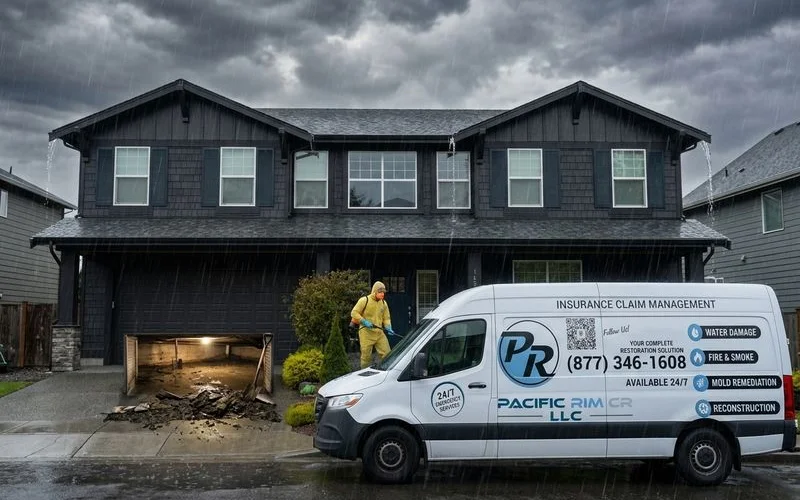
Your immediate response to discovering subterranean water should be to stop the source if possible and call a professional assessment team. You must avoid entering the confined area to prevent serious electrical or contamination injuries.
We prioritize your safety above all else when handling a flooded property. Recent heavy rains, sudden plumbing work, or sustained hidden moisture all dictate a different level of urgency. Our safety protocols strictly forbid wading into standing water without protective gear. Confined spaces hide severe hazards, including submerged electrical pumps, live sub-floor wiring, structural debris, and unknown sewage contamination.
Our team provides a comprehensive crawl space cleanup and encapsulation assessment to identify the root cause safely. The crew determines the exact entry point, extracts the hazard, and quickly assesses what materials are salvageable. We highly recommend documenting the water depth and extent with clear photos from the access opening to help immensely with insurance claims. The Insurance Information Institute notes the average water damage claim sits around $15,400 in the US. Our project managers know that solid photographic evidence is your best defense for a smooth, fully funded claim. Shutting off your main plumbing valve if you suspect a leak buys valuable time for a professional response.
The cleanup process
Professional cleanup requires extracting the standing water, removing contaminated materials, and running commercial dehumidifiers to dry the structural wood. We follow a strict, multi-step sequence to ensure the space is completely sanitized and protected against future rot.
The certified technicians on staff execute the following industry-standard restoration process:
- Assessment and Rapid Extraction: We confirm the water source, document the damage, and pump out standing liquid using specialized high-capacity equipment.
- Material Removal and Sanitation: Contaminated fiberglass insulation and damaged vapor barriers are removed before crews HEPA-vacuum and apply antimicrobial treatments to the joists.
- Commercial Structural Drying: We deploy Low Grain Refrigerant (LGR) dehumidifiers, which pull dozens of gallons of moisture per day to drop relative humidity below the EPA’s 50% threshold.
- Source Fix and Drainage: The root cause is fully repaired, whether that requires a new sump pump, improved exterior drainage, or plumbing fixes.
- Complete Encapsulation (Recommended): We seal a heavy-duty, 20-mil polyethylene vapor barrier across the soil and walls to lock out ground moisture permanently.
Cost data for 2026 shows that a full encapsulation project averages around $5,500 in the US. This initial investment provides incredible long-term value for chronic intrusion problems. Our energy audits reveal that a sealed, dehumidified subfloor typically reduces heating and cooling bills by up to 15%. That premium upgrade provides 15 to 20 years of verifiable protection against rot and pests.
What to do this week if your crawl space is dry today
You should perform a quick visual inspection this week to ensure your exterior drainage is functioning and the ground beneath your home remains completely dry. Taking thirty minutes now prevents massive emergency repair bills later this winter.
Our team highly recommends adding a few simple checks to your seasonal maintenance routine. Preventing water in your crawl space is significantly cheaper and less stressful than tearing out rotten floor joists. We suggest utilizing a digital hygrometer with a remote sensor to monitor conditions easily. Placing the wireless sensor near the access door allows you to track relative humidity right from your smartphone.
Our preventative checklist includes these critical steps:
- Walk the access opening with a bright flashlight to spot past water marks, debris lines, or white efflorescence on concrete walls.
- Check that your exterior grading physically slopes away from the foundation.
- Clear all gutters and verify that downspouts discharge runoff at least 6 feet from the house.
- Test your sump pump by pouring a 5-gallon bucket of water directly into the pit to ensure the float switch activates properly.
Annual inspections catch developing issues long before they require major reconstruction. An unexpected musty smell upstairs is your first warning sign that something might be brewing below. We encourage homeowners to stay vigilant and address minor drips immediately.
Frequently Asked Questions
Will the water in my crawl space drain on its own?
Is water in the crawl space an emergency?
Does insurance cover crawl space water cleanup?
Related Guides
Crawl Space Drying vs. Encapsulation: Which Do I Need?
Mitigation drying after a water event vs. permanent encapsulation — when each makes sense and how they relate.
Crawl Space Encapsulation Explained
What encapsulation actually involves — materials, process, and what you get for the cost.
Crawl Space Stack Effect & Your Indoor Air Quality
Stack effect means about half the air upstairs comes from the crawl space. Why that matters for PNW homes.
Learn more about Crawl Space Cleanup & Encapsulation
Talk to a real local dispatcher 24/7. Certified technicians on-site in 60 minutes — direct insurance billing.